
 Remona Temple demandée il y a 2 mois
When the temperature dips, clarity helps you move from shivers to steady heat without panic. You’ll map symptoms, time the call, and gather simple notes so the tech sees the real issue on arrival. If you’re comparing response times or next-day slots, keep a short log of noises, error codes, and weird cycles; those details often trims repeat visits. Before you book with hvac near me, get clarity on emergency coverage, talk through your thermostat’s behavior, and ask what photos might help. Plenty of repairs hinge on fundamentals, like clean filters, clear returns, and good power to the furnace. By pairing smart timing with a straightforward plan, you can speed triage and hold costs down. You’ll see a quality-first path that reduces surprises and keeps heat dependable.
Scope cold-season fixes with smart priorities and backup choices
Start by writing a quick scope that names the room going cold, the sounds you hear, and any cycling shifts. Use a shared note if others at home can add observations like time of day or breaker trips, and include model numbers and recent work orders heater repair galveston so nothing gets missed. Rank issues by impact: no-heat gets top spot; short cycling or rumbling sits next; weak airflow follows. Note obvious constraints, like tight spaces, and be upfront about quiet hours. Outline what “done” means in plain terms.
Translate the scope into a few must-fix items and a nice-to-have list, with timing next to each. If the inducer fan screams, log the pattern, record a clip, and attach it to your notes. For rentals or small offices, add who can approve parts right now so delays don’t stall heat. Tight scoping trims time and cost.
Schedule crew visits, components flow, and site access windows
Tools and people move faster when your schedule matches how techs roll. Ask for a window that fits midday warehouse runs, and confirm if the team prefers text or calls heater repair galveston so updates don’t slip. If the furnace is in a crawlspace, clear a path, pull bins, and set a plug-in light nearby. Check thermostat access and clear return vents; a two-minute reset can save an hour. Match the slot to building quiet hours to avoid delays.
Parts can bottleneck a fast fix. Where possible, approve common items—capacitors, igniters, belts—up front, and ask if backups ride on the truck. If a blower motor order is likely, confirm cutoff times and courier options, set a backup appointment for installation. In light commercial spaces, post a door code and point out loading zones to speed carry-in. Smooth scheduling frees the tech to focus on the fault.
Control safety risks, verify outputs, and document changes
A heater fix should never trade safety for speed. Make space for a quick gas-leak sniff, carbon monoxide check, and combustion review, and ask the tech to share readings heater repair galveston so you understand the status. If flame rollout or sooting appears, pause and discuss next steps; safety gear and ventilation matter. Request a heat-rise measurement and compare it to the unit’s tag; stats prevent drift. If anything seems off-color or smoky, stop and recheck before relight.
Verification earns its keep in cold snaps. Have the pro run two full heat cycles after a swap, then feel supply and return temps in two rooms, near and far. Ask for before-and-after photos of the cracked hose, burnt board, or loose connector, and file them for warranty use. In multifamily buildings, log the unit, floor, and meter tag so histories don’t blur. Evidence locks in quality and reassures everyone at home.
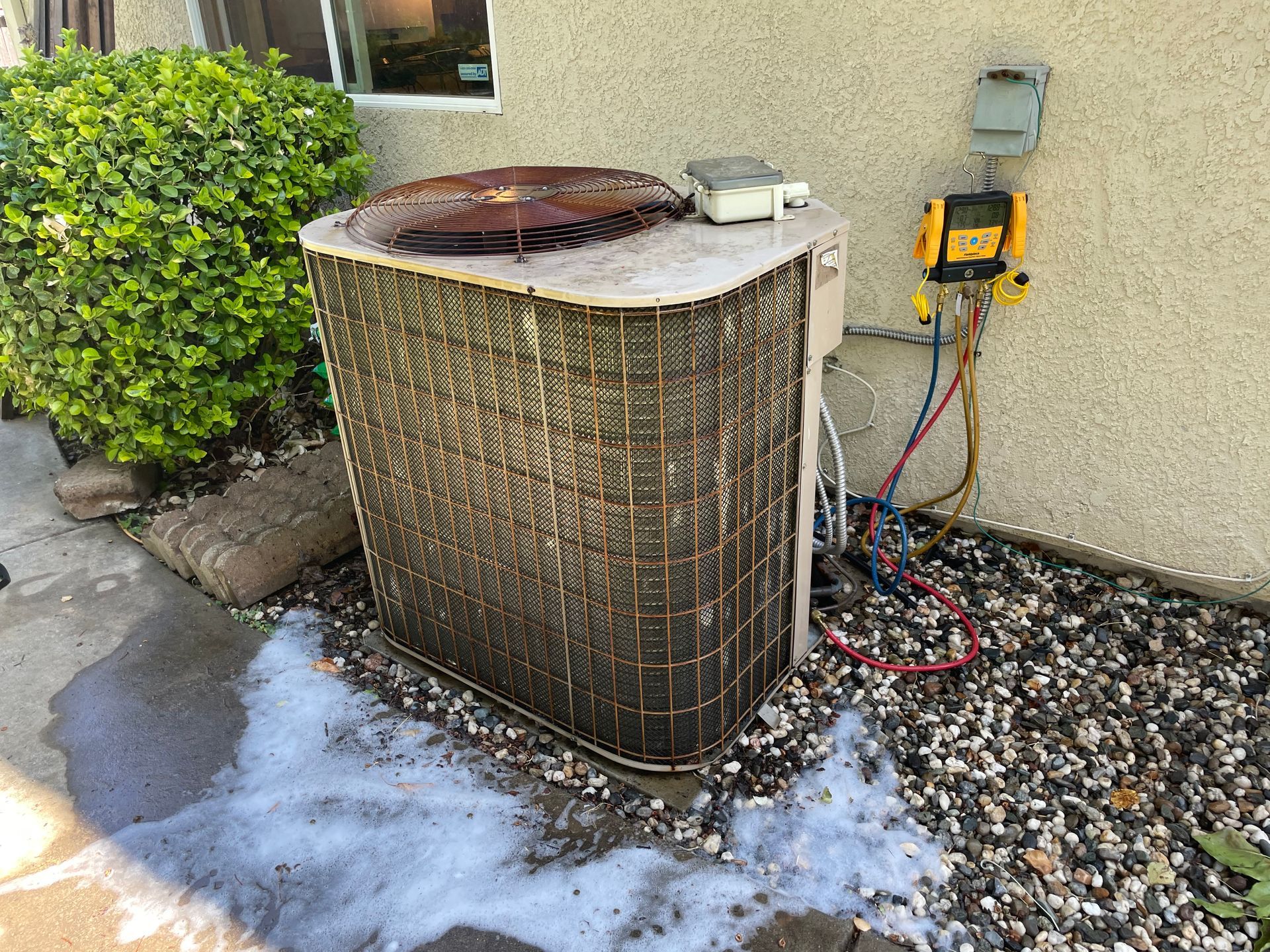
Balance cost limits with efficiency gains and timing trade-offs
Money choices feel sharper when the house is cold. Set a top-line budget, but weigh energy use and part lifespan, and ask for two paths—repair now vs. upgrade soon— heater repair galveston so you can decide with facts. A cheap inducer might hum for a season, while a better unit runs quieter and lasts longer; the price gap can shrink on your power bill. If the heat exchanger shows rust or hairline cracks, press for clarity before sinking money into band-aids. Sometimes waiting a week for the right part beats three small fixes.
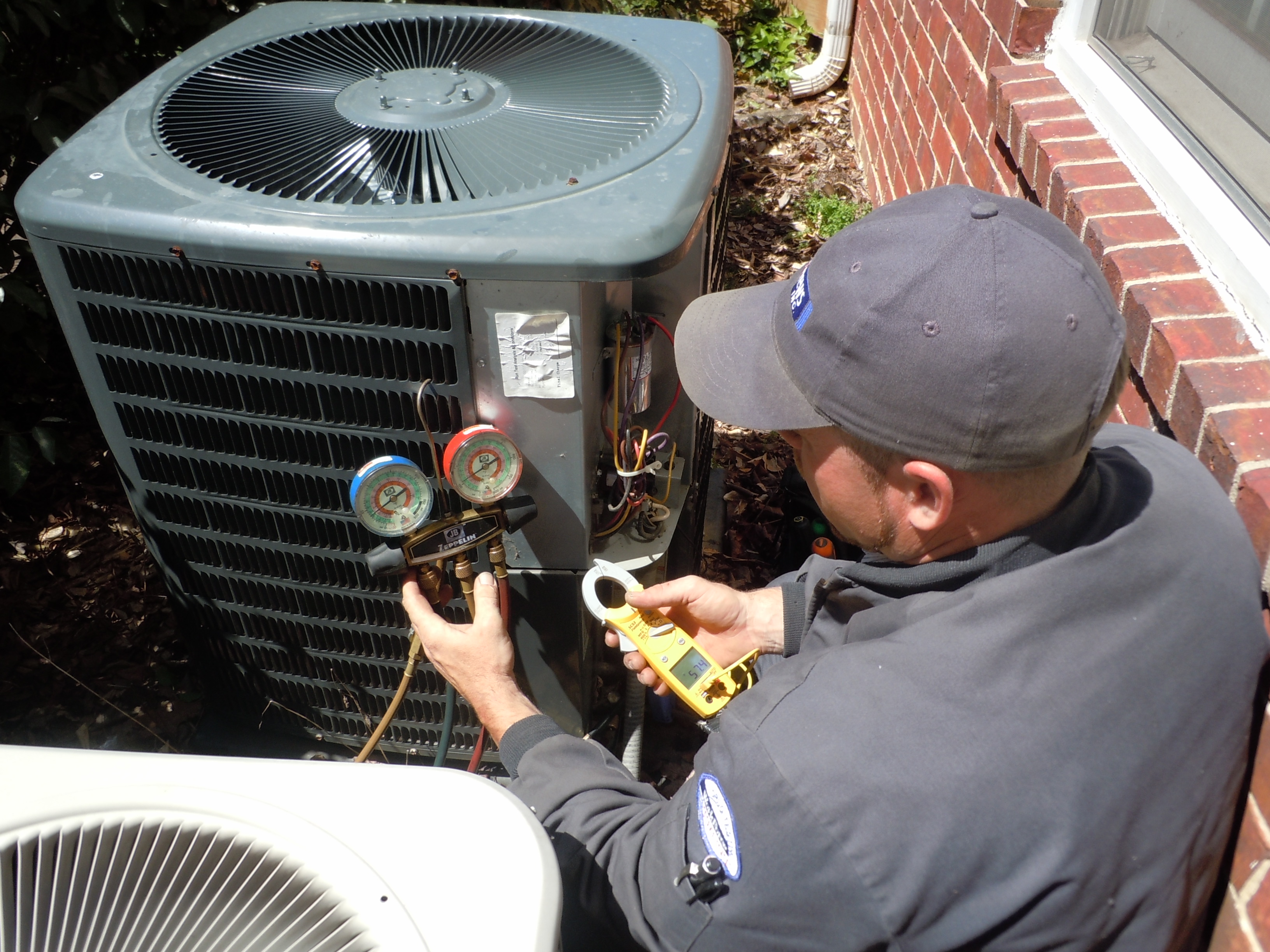
Timing changes the math. Off-peak installs can trim labor, and shoulder-season deals lighten the tab on add-ons like smart thermostats. Get a line-by-line showing parts, hours, fees, and any haul-away costs, then compare against your scope. For small offices, factor lost work time when the lobby turns into a jobsite. Balancing cost with life expectancy keeps the system dependable.
Plan ongoing care, belt routines, and seasonal tune-ups
After the heat returns, lock in habits that keep it there. Build a two-minute checklist—filter dates, vent dust, thermostat updates—and set calendar nudges heater repair galveston so small tasks never pile up. Replace filters on schedule; clogged media can mimic a failing limit switch and trick you into needless calls. Vacuum returns, wipe grilles, and glance at the condensate line for kinks or algae. Simple routines slash noise and strain.
Tune-ups pay back when done right. Ask for combustion checks, amp draws, and temperature splits, then store the report with photos and model tags. For homes with pets or drywall dust, shorten filter cycles and consider higher MERV carefully to avoid choking airflow. In duplexes or shops, name a point person who knows breaker labels and access keys. A little discipline keeps repairs rare.
Choose questions that match the building and the forecast
Not every contractor fits every house. Before you call, list what matters now—response time, safety testing, and parts on hand—and rank them heater repair galveston so you can compare apples to apples. Ask how they document readings, what warranties cover, and how they stage a second visit if parts slip. For tight attics or crawlspaces, verify PPE and ladders; for condos, check insurance and elevator rules. Good questions filter fast and fair.
Make the first minute count when the tech arrives. Hand over your scope, photos, and any breaker or error histories, then confirm the plan and costs before tools come out. If something changes mid-fix, pause and re-agree on steps, writing the change on the work order. Keep pets away from the workspace and air out the area if combustion testing starts. Alignment up front saves time and earns better outcomes.
In a cold snap, a quality-first plan sets the tone, a crisp schedule keeps momentum, and risk checks prevent backslides. Budget choices then land on data, not guesswork, and simple care locks results in place. Blend planning, timing, testing, cost sense, and upkeep to ride out winter with confidence.