 Luz Yagan demandée il y a 3 mois
Introductory note: For homeowners, the decision to refresh inner walls goes beyond a simple color swap. The right palette, texture, and finishing touches can redefine how rooms feel, influence light, and support daily routines. This article walks through practical approaches that align aesthetics with durability, while keeping timelines realistic and costs transparent. From choosing paints and primers to coordinating schedules with contractors, the guidance here centers on sensible methods that make residential spaces more welcoming and easier to maintain. Read on to explore how a careful approach to painting can transform living areas, bedrooms, kitchens, and common spaces into cohesive, lived-in environments.
The role of color theory in residential painting

Color theory informs your choices, helping you set moods that match how you use each room. In residential painting, a thoughtful combination of undertones and contrasts can make small spaces feel larger or create focal points in larger areas. A well-planned palette supports lighting conditions and furniture styles, ensuring harmony rather than clash across the home. link webpage When you pair color confidence with practical finishes, you enable a room to feel both personal and polished, which is especially meaningful in open-concept layouts.
Surface preparation and materials for home painting
Prioritizing surface prep pays dividends in the long run, preventing flakes and ensuring an even coat. With home painting, choosing the right primers, caulks, and sealers helps address issues like stains, sheen compatibility, and humidity differences between rooms. The plan should include a realistic timeline for sanding, patching, and drying between coats so you aren’t surprised by delays. residential painters A durable approach starts with clean walls, proper patching, and a system that aligns with your chosen finishes to reduce maintenance over time.
Doors, trim, and architectural details
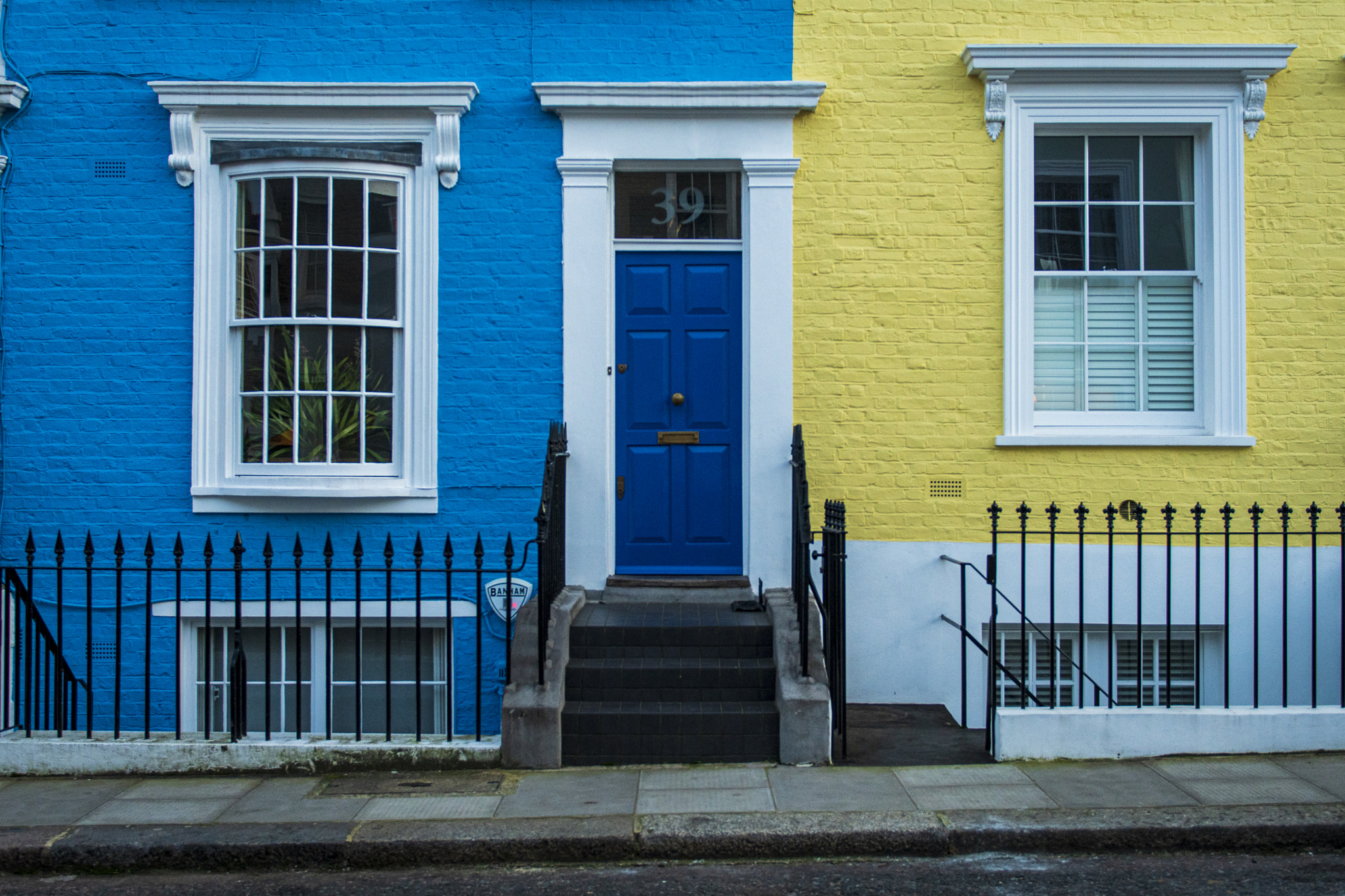
Trim and doors often carry the first impression of a home’s workmanship, so their refinishing deserves careful attention. When you treat these features with appropriate sheen levels and multiple coats, you reinforce a cohesive look that ties together wall color and furniture. Attention to edge work and precise masking keeps adjacent surfaces pristine, especially in high-traffic zones where wear shows most. fresh home finishes Integrating color accents on doors or frames can also echo the palette from other rooms, creating a sense of flow that respects architectural quirks.
Scheduling and coordination across crews
Coordinating painting work around daily life requires clear timelines and flexible adjustments. For those juggling renovations, aligning painters, carpenters, and cleaners reduces downtime and prevents miscommunications. A well-structured schedule helps ensure that each stage—from prep to finish—occurs in the right order, and that touch-ups don’t stall the overall project. residential painting Clear milestones and proactive communication keep everyone on the same page, which translates into smoother progress and fewer surprises when you’re balancing work, family, and home upkeep.
Maintenance considerations and long-term value
Choosing washable paints and durable finishes pays off when it’s time to refresh walls again years later. In residential painting, picking products that resist scuffs and moisture helps maintain appearance with less effort, especially in kitchens, bathrooms, and hallways. A proactive maintenance plan—gentle cleaners, known touch-up spots, and a simple yearly review of surfaces—extends the life of your investment. highfillpainting.com The result is a home that remains bright, inviting, and easy to care for, preserving value without constant renovations.
Conclusion: A strategic approach to painting can transform a house into a resilient, comfortable home. By balancing color theory, preparation, detail work, and practical maintenance, you create spaces that feel both fresh and enduring. Whether you’re refreshing a single room or reimagining an entire footprint, thoughtful steps in residential painting or home painting lead to surfaces that look good longer and stay easier to live with.