
 Norma Wiliams demandée il y a 2 mois
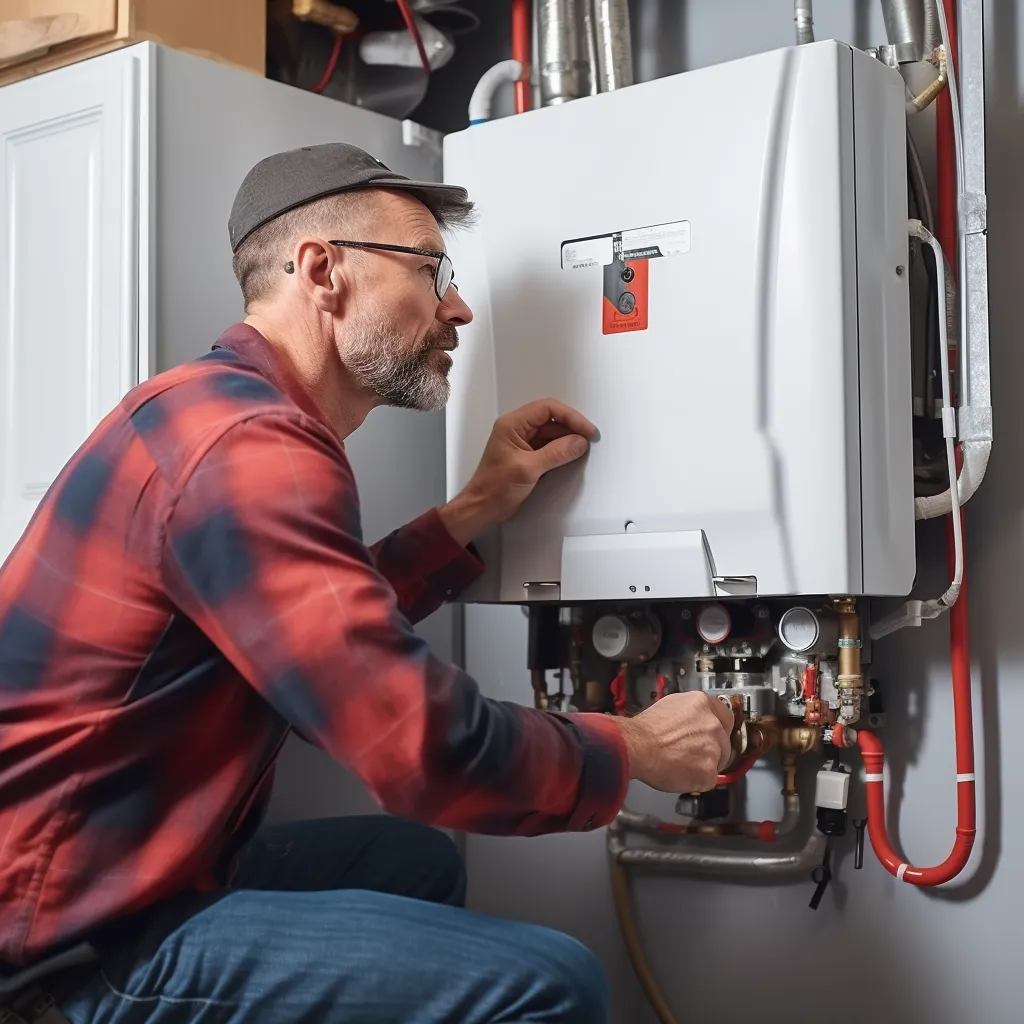 Staying warm starts with upfront decisions and thoughtful habits before polar blasts arrive. You’ll cut delays and skip guesswork by mapping out what to check, who to call, and when to act. Often, people search hvac near me and still feel unsure about timing. A better way: build a quick plan, note warning signs, and act sooner. We’ll zero in on scheduling, supply realities, quality controls, budget signals, and real‑world choices that matter when the house feels drafty. In minutes, you’ll see which steps matter most. Expect local‑style examples and straight talk about typical hiccups. With a no‑nonsense checklist and the right calls, your system will be ready for the next cold front.
Set clear winter objectives today with simple prompts
Start with a quick walkthrough of your home’s hot spots. Learn more at furnace repair pittsburgh for scheduling. Note specific spaces lose heat quickly, how frequently the system cycles, and whether the control lags by a few degrees. If the basement warms while bedrooms freeze, your scope shifts from “mystery” to a targeted duct and balance review. A tighter scope cuts test‑and‑poke time, shortens downtime, and lets you plan smarter.
Next, prioritize fixes by risk to comfort. Replace a cracked igniter before chasing minor airflow tweaks. This order keeps the most important heat online first. Snap vent pictures, tag returns, and log any rattles or whines. Armed with notes, the visit becomes diagnosis, not a scavenger hunt. Confidence goes up while guesswork drops for everyone.
Choose dependable materials upfront for stable cold‑season output
Keep a lean kit of high‑fail items your model regularly consumes. Check your filter size, note MERV rating, and confirm blower drive specs if relevant. Ask your supplier about cold‑weather lead times, and set aside a spare flame sensor or hot surface igniter if your unit is past mid‑life. You’ll beat holiday backlogs and stay warm during storms. If you store parts neatly, you won’t scramble in the dark later.
When it comes to consumables, use OEM‑approved seals and heat‑rated tape on vent joints. Off‑brand bits may peel in cold starts, causing leaks or callbacks. Consistency beats novelty when the wind howls. Match filter resistance to blower capacity to avoid pressure spikes. Date the filter and schedule the swap right now. One marker note can save a shivering night.
Sequence tasks for less downtime and speed up entry
Book service ahead of the first major cold snap, and pick early slots when crews start fresh. Plan access through the side gate and move pets before arrival. Place spare keys in a lockbox and text parking directions to avoid street hassles. Small prep steps often shave a half hour. Saved minutes turn into better diagnostics for the same fee.
For multi‑unit or light commercial sites, stage equipment in one bay and batch identical tasks. Thermostat checks run faster when done back to back. A taped map cuts hallway delays when halls look alike. If cooling quirk logs exist from summer, include them; one note about ac repair near me can hint at shared control issues. Summer data can expose a winter control drift. Expect tighter schedules and less disruption.
Tighten quality checks with repeatable verifications and clear thresholds
Adopt a tight test list: inducer start, ignition sequence, flame rectification, gas pressure, and vent draft. Print it once and follow it every visit. Place a manometer reading and CO level on the same line, without fail, to spot drifts early. When levels shift post‑filter, you’ve got the plot. Routine testing beats guesswork when temps drop.
Document pass/fail with photos of gauges and a date stamp. Data needs proof when memories fade. Tag anything borderline and set a retest date. Redundancy keeps families safe, not hunches. Teach the household how to hear a misfire click or smell delayed ignition. One trained listener can save a heat exchanger.
Balance cost and comfort with transparent pricing and paths
Start with a written estimate that splits labor and parts. Walk line by line, and flag any nice‑to‑have upgrades that can pause a month. Keep the core heat safe and running, then stage cosmetics like grille swaps or connected stat features. Warm rooms beat fancy screens at midnight. Budget choices feel easier when the essentials are secured.
If costs seem high, ask for repair‑now with replace‑later paths. A steady system can buy the time you need. Compare energy savings from sealing ducts versus a pricier control board. Track your gas usage week to week after changes. Small data wins build trust and protect the wallet. In the end, comfort per dollar is the metric that matters.
Choose the right local crew with direct questions and verifiable results
Ask about arrival windows, stocked parts, and after‑hours coverage during storms. Share model and error codes in advance, and confirm how testing fees apply to repair work. Include system age, last major service, and any sound changes you noticed. Good questions up front shorten the path to heat. Look for listeners, not gamblers.
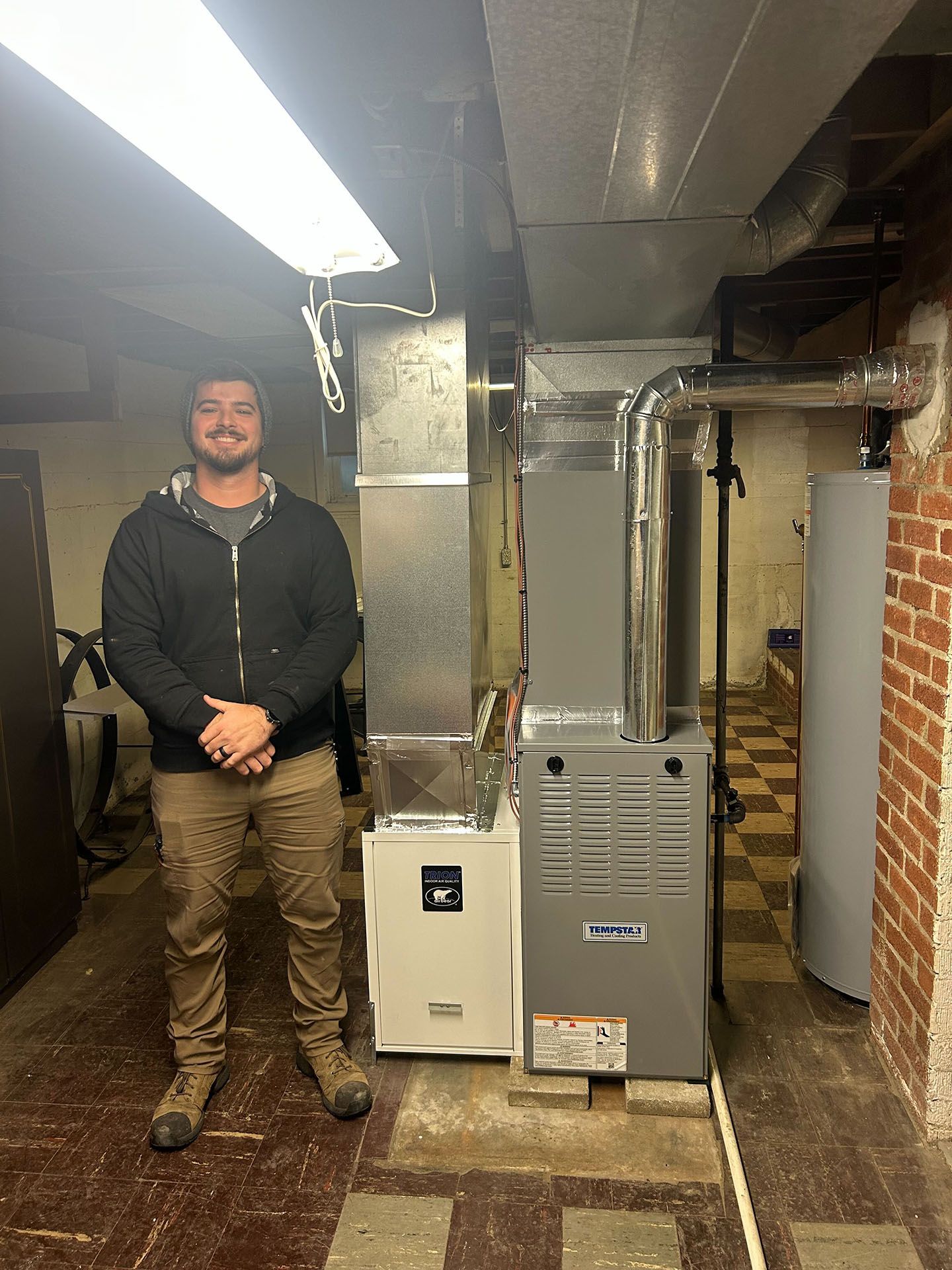
Request sample test reports with CO numbers and gas pressure ranges. Pictures of gauges beat promises every day. Hesitation on records is a warning sign. Peer reviews often reveal true habits. For urgent nights, confirm the dispatch cutoff and loaner options if a part is backordered. A short interview today may save a long, cold weekend.
Conclusion
Cold weather rewards people who plan, stock the right bits, and schedule ahead while the forecast still looks calm. With repeatable tests and modest documentation, you’ll spot drift early and spend on fixes that truly raise comfort. Clear questions and written choices keep your home warm without drama. Build momentum now, and winter becomes a manageable routine instead of a scramble.